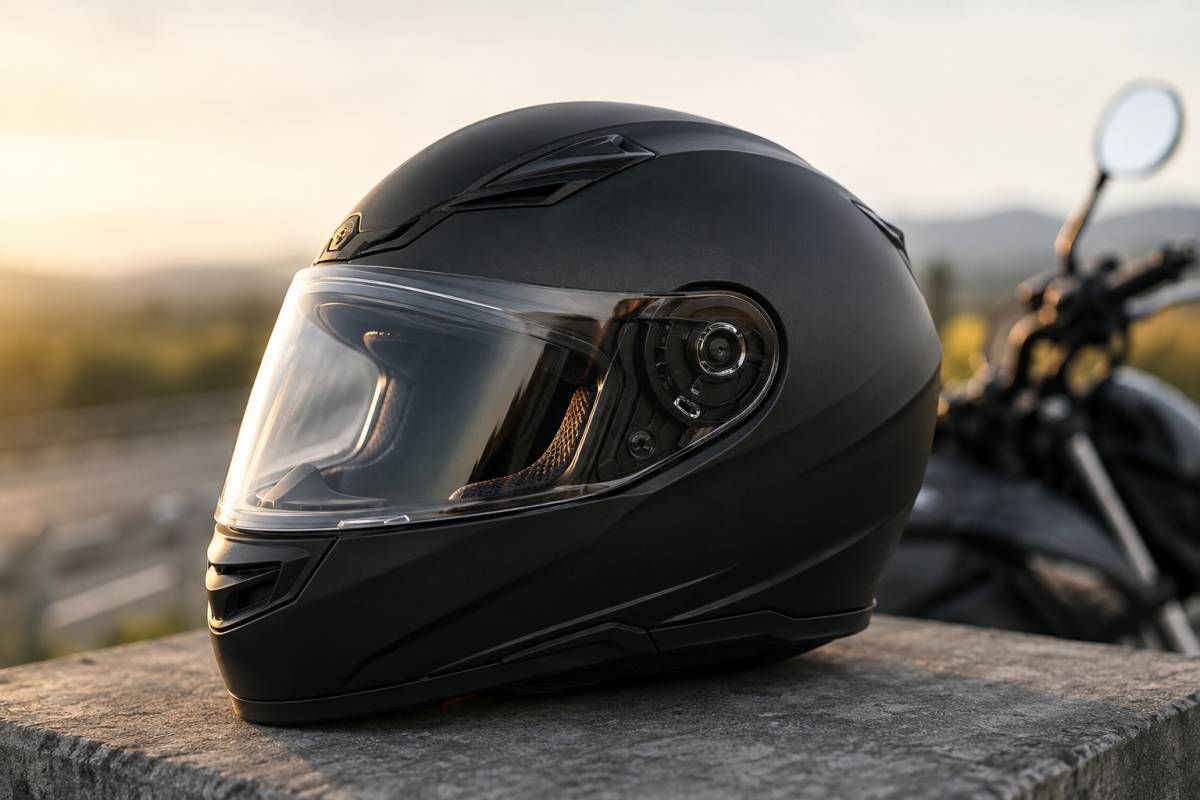
For a motorcycle rider, a helmet is not just another riding accessory. It is one of the most important pieces of safety equipment because the head is highly vulnerable during a crash.
Unlike a car, a motorcycle does not have a protective body around the rider. If a crash happens, the rider can be thrown from the motorcycle or the head can hit the road, another vehicle, or an object.
A quality motorcycle helmet is designed to reduce the force reaching the head during an impact.
How Does a Helmet Protect a Biker?
The main purpose of a motorcycle helmet is to reduce the severity of head injuries during a crash.
According to the World Health Organization, quality motorcycle helmets can reduce the risk of death by more than six times and reduce the risk of brain injury by up to 74%.
NHTSA research also indicates that motorcycle helmets reduce rider fatalities by approximately 22–42% and brain injuries by 41–69%.
These figures do not mean a helmet can prevent every injury. A helmet cannot make motorcycle riding risk-free. Its purpose is to reduce the likelihood and severity of serious head injuries when a crash occurs.
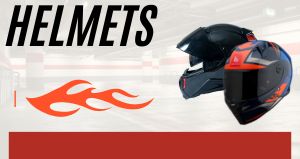
If you are looking for a suitable helmet for your riding needs, explore the motorcycle helmets at DCSBD.
Why Should You Wear a Helmet Even on Short Trips?
Many riders think a helmet is necessary only for highway or long-distance riding.
But a crash can happen during a short trip as well.
A rider may suddenly encounter:
- A vehicle changing lanes
- A pedestrian crossing the road
- A slippery surface
- A pothole
- Sudden braking
- Another unexpected road hazard
Therefore, helmet use should not depend on how far you are travelling.
Every ride deserves proper protection.
Whether you're commuting to work or taking a longer trip, choosing the right bike helmet should be part of your regular riding routine.
A Helmet Must Fit Properly
Simply wearing a helmet is not enough.
The helmet should fit properly and remain securely positioned on your head. It should also be fastened correctly.
WHO notes that the protective effect of a helmet can be significantly reduced when a non-standard helmet is used or when the helmet is not properly fastened.
When choosing a helmet, check:
- Proper fit
- Secure chin strap
- Appropriate safety certification
- Good condition
- Correct size for your head
A properly fitted motorcycle safety helmet should feel secure without creating excessive pressure or movement.
Don't Choose a Helmet Only for Its Design
A helmet may look attractive, but appearance should not be the main factor when buying one.
A rider should prioritize safety standard, proper fit, construction and condition.
Different countries use different helmet standards. For example, FMVSS 218 is the U.S. motorcycle helmet standard, while UNECE standards are used in many other markets.
The important point is to choose a helmet that is genuinely certified to an appropriate recognized standard rather than relying only on marketing claims.
When Should You Replace a Motorcycle Helmet?
A helmet should not be treated as something that lasts forever.
Consider replacing your helmet when:
- It has been involved in a crash or significant impact
- The shell is damaged
- The interior padding has become significantly worn or damaged
- The retention system is damaged
- The helmet no longer fits securely
- The manufacturer recommends replacement based on its service-life guidance
Even if visible damage is not obvious after a crash, the helmet's protective materials may have been compromised.
What Makes a Good Motorcycle Helmet?
When selecting a helmet, consider more than just its appearance or price.
Look for:
- Proper head fit
- Recognized safety certification
- Secure retention system
- Good-quality construction
- Comfortable interior
- Suitable ventilation
- Good visibility
- A helmet appropriate for your type of riding
The correct choice depends on your motorcycle, riding environment and personal requirements.
You can explore the DCSBD motorcycle helmet collection to find helmet options for different riding needs.
Final Thoughts
A motorcycle helmet cannot prevent every injury, but strong evidence shows that a quality, properly fitted and correctly fastened helmet can substantially reduce the risk of death and serious head or brain injury in a crash.
For every biker, wearing a helmet should be part of the riding routine—not something reserved for long trips.
If you are looking for a helmet for your next ride, explore the motorcycle helmets available at DCSBD and choose one based on proper fit, recognized safety standards and your riding requirements.
Start every ride with your helmet. Ride responsibly. Stay protected.